
What Mike McRoberts wants NFPs to know about media
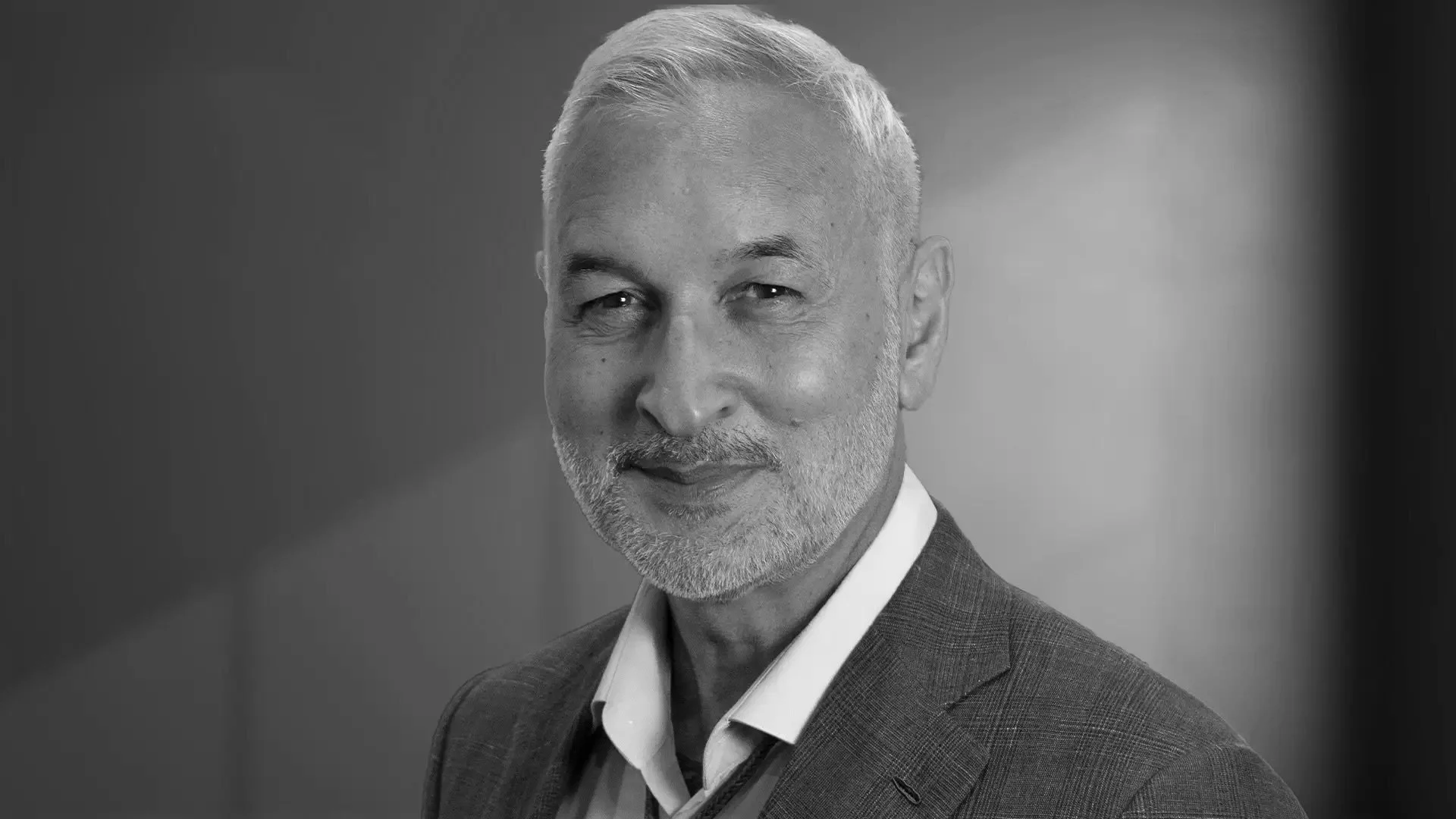
Veteran journalist, Mike McRoberts
Why do some not-for-profit stories make the news while others, just as worthy, never get a call back?
I put that question to Mike McRoberts, a veteran New Zealand journalist who has covered international conflict zones, humanitarian crises and some of the most compelling human stories seen on New Zealand television. He's seen a lot of pitches and he knows what gets ignored.
His advice is straightforward: focus on people, tell the truth, make it real. Here's what he means by that.
1. Newsworthy stories start with people
For Mike, compelling not-for-profit stories rarely start with the organisation.
“The strongest not for profit stories are not really about the organisation itself, they’re about the human reality the organisation is dealing with.”
The stories that draw him in tend to do three things:
• Expose injustice
• Reveal genuine need
• Show the dignity and resilience of people in difficult circumstances.
They also help audiences understand something deeper about the world.
Stories that reveal how systems are failing, or how communities are responding to hardship, carry the most weight. But the key ingredient here is emotional truth.
“If a story has emotional truth, real consequence, and a reason for people to care now, then I’m interested,” Mike says.
Lesson for communicators: Lead with the human story, not the organisation. The most compelling NGO media coverage is about people experiencing something real, not programmes or announcements.
2. The biggest pitching mistake NFPs make
The most common error Mike sees is simple: organisations lead with themselves.
“Journalists are looking for what is actually happening, why it matters, and why it matters now.”
Two things weaken a pitch almost immediately:
i. Worthy language without news value
Important work does not automatically make a compelling story.
There still needs to be:
• A clear angle
• A sense of urgency
• A real person at the centre
ii. Offering a story but restricting access
Journalists need the ability to hear directly from the people involved.
“If you offer a story and then can't provide real voices, real texture or real access, it becomes much harder to do it justice.”
Lesson for communicators: Before pitching, identify the news hook. Ask yourself: is there an actual story here - or just an organisation doing good work? What has changed why does it matter now and who is affected?
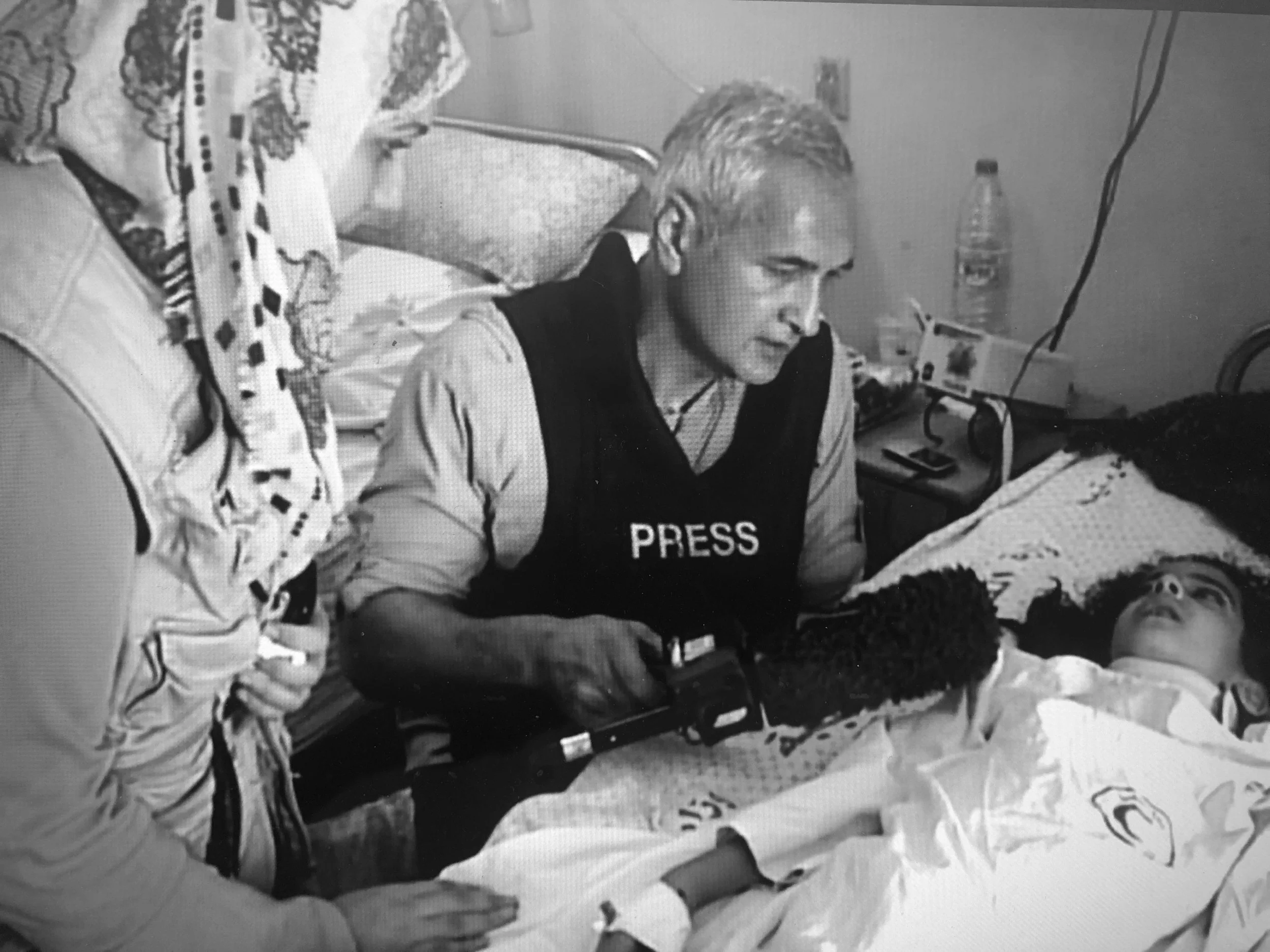
Mike reporting from inside Gaza during the confict in 2014, at the Shifa Hospital childrens ward.
3. What builds trust with journalists
Mike says the communications professionals he keeps working with share two simple qualities: “Honesty and usefulness.”
The most trusted comms people:
• Know the story
• Understand the community involved
• Don’t oversell
“The ones you keep coming back to are the people who are straight with you. They tell you clearly what they can offer, what they can’t, and they understand what a journalist actually needs. That might be a good spokesperson, strong data, useful background, or physical access to the story.”
Those relationships can make powerful reporting possible.
Mike recalls his work with NGOs during international reporting: “Working with World Vision, I was able to travel into Gaza on a number of occasions and use their contacts and communities to help tell the story of what was happening there.”
He adds: “The same was true with UNICEF when I travelled into Syria. Their understanding of conditions on the ground, and the people affected by them, was invaluable.”
Crucially, this support does not compromise journalistic independence.
“That kind of support doesn’t mean you surrender your independence as a journalist. It means you are better placed to see, understand and report what is really happening.”
Lesson for communicators: Trust comes from being useful, transparent and realistic about what you can offer. The most valuable thing you can offer to a journalist is access - to people, to data and to the reality of the story.
4. The fastest way to lose a journalist’s trust
Just as trust builds slowly, it can disappear quickly.
Three things destroy credibility: spin, overclaiming and trying to manage the story rather than help tell it truthfully.
“Journalists don’t expect perfection, but we do expect honesty.”
There’s also a more subtle mistake: treating human suffering as a communications asset.
“Audiences can feel that, and so can journalists. The people at the heart of these stories deserve dignity, not packaging.”
Lesson for communicators: Never exaggerate impact to try to control the narrative. If a journalist senses spin, the relationship is over. Be honest and upfront with journalists - they’re people too.
5. The best way to pitch a story
Mike’s preferred format is simple: a short, clear email.
In this email, he wants to know what the story is, why it matters now, who is involved, what access is available, and whether someone central to the story can speak.
Visuals and useful data also help.
“All of that makes it much easier to assess quickly whether there is something there.”
Phone calls can work - but usually only when there is already a relationship, or when something is genuinely urgent.
Otherwise, email is easier to review when working under deadline pressure.
Lesson for communicators: Make it easy for journalists to assess the story quickly. Write pitches in the way journalists think - story, relevance, access - in the first few lines.
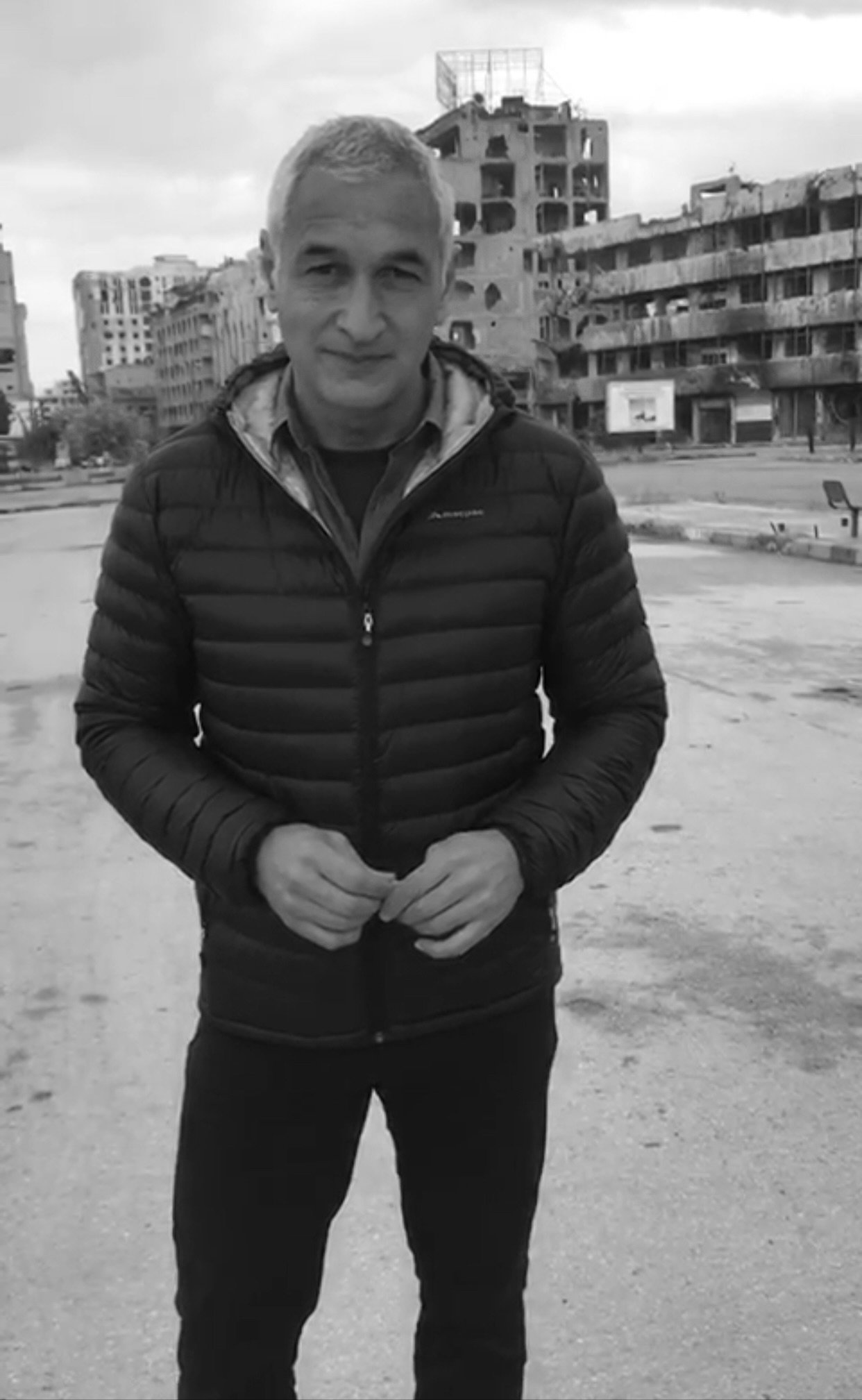
Mike in front of the war ravished ruins of the old city of Homs in Syria in 2018.
6. Do press releases still matter?
Yes - but only under the right conditions. Press releases work when they are clear, factual and linked to something genuinely new.
For example, a new report, fresh data or a response to a major event.
What doesn’t work? Generic, overly written corporate language.
“A release shouldn't make me hunt for the story,” Mike says.
In many cases, Mike says he prefers a direct pitch over a formal press release.
Lesson for communicators: Press releases are a tool - not the story itself. If the news isn’t obvious in the first few lines, journalists won’t keep reading.
7. Why some NGO stories get picked over others
When several organisations pitch around the same issue, the decision often comes down to three things: depth, access, and truthfulness.
“I’m going to gravitate toward the one that gives me the clearest and most human window into what is really going on.”
Often, a single powerful story can illuminate a much larger reality.
Mike recalls one interview that has stayed with him.
“I remember interviewing the head of Oxfam in the aftermath of the earthquake in Haiti. She spoke to me despite having buried her mother that very morning. I’ve never forgotten that.”
What struck him wasn’t just the emotion of the moment.
“Her willingness to speak, even in the midst of her own grief, said something profound about the scale of the disaster and the commitment of those trying to respond to it.
“That kind of authenticity always cuts through.”
Lesson for communicators: One powerful human story can carry an entire issue. A single authentic case study often explains an issue better than a page of statistics.
8. What journalists wish NFP comms teams understood
Journalists are often juggling multiple stories under intense time pressure.
“Even when we care deeply about an issue, we may not have time to pull a story out of a pitch that isn’t clear or well thought through.”
There is also an important difference between journalism and advocacy.
“Our job is not simply to amplify a cause, however worthy it may be.”
Instead, journalists must:
• Test claims
• Ask difficult questions
• Verify facts
• Shape the story for the audience
The best communications teams understand this balance.
“Journalists are trying to hold onto both compassion and scrutiny at the same time.”
He adds: “Those two things are not opposites. In fact the best journalism usually needs both.”
Lesson for communicators: Journalists are not there to be advocates for your organisation or promote your cause. They are there to interrogate it - and be accountable to their audience. That is what gives their coverage credibility.
9. What makes a great NGO spokesperson
According to Mike, the strongest spokespeople share several qualities.
“A great spokesperson is informed, calm and human.”
They know their subject well - but they also communicate clearly and simply.
Credibility comes from:
• Knowing the facts
• Understanding the broader context
• Avoiding exaggeration
• Remembering the story is about people
Preparation also matters.
“A good spokesperson should know the likely questions, have their information straight, and be able to connect the bigger picture to lived experience.”
The most effective spokespeople combine confidence with humility.
“The strongest ones speak with conviction, but also humility.”
“For me, that’s what makes someone memorable and trustworthy.”
Lesson for communicators: The best spokespeople explain the issue clearly, stick to the facts and let the story speak for itself.
The thread running through it all: trust
Across everything Mike shared, one theme kept emerging: Trust. Trust between journalists and sources, organisations and the communities they serve, and storytellers and audiences.
And for not-for-profit communicators, earning that trust means doing three things well: Tell the truth. Put people first. And only pitch stories that genuinely deserve to be told.
